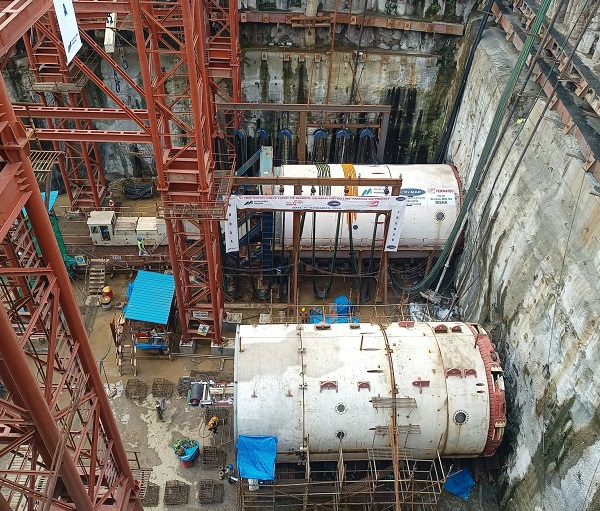
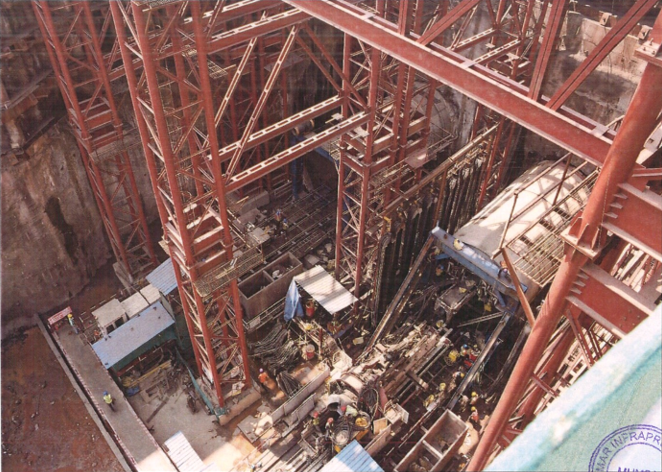
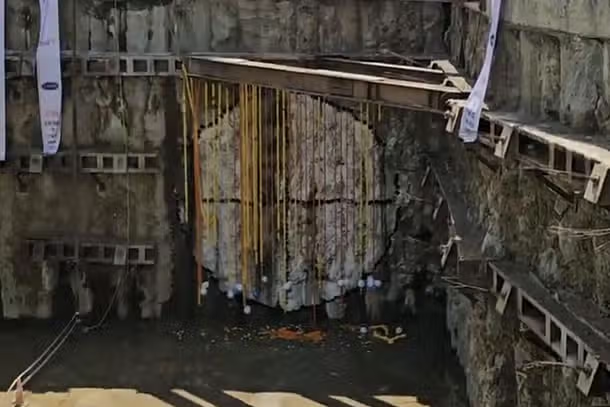
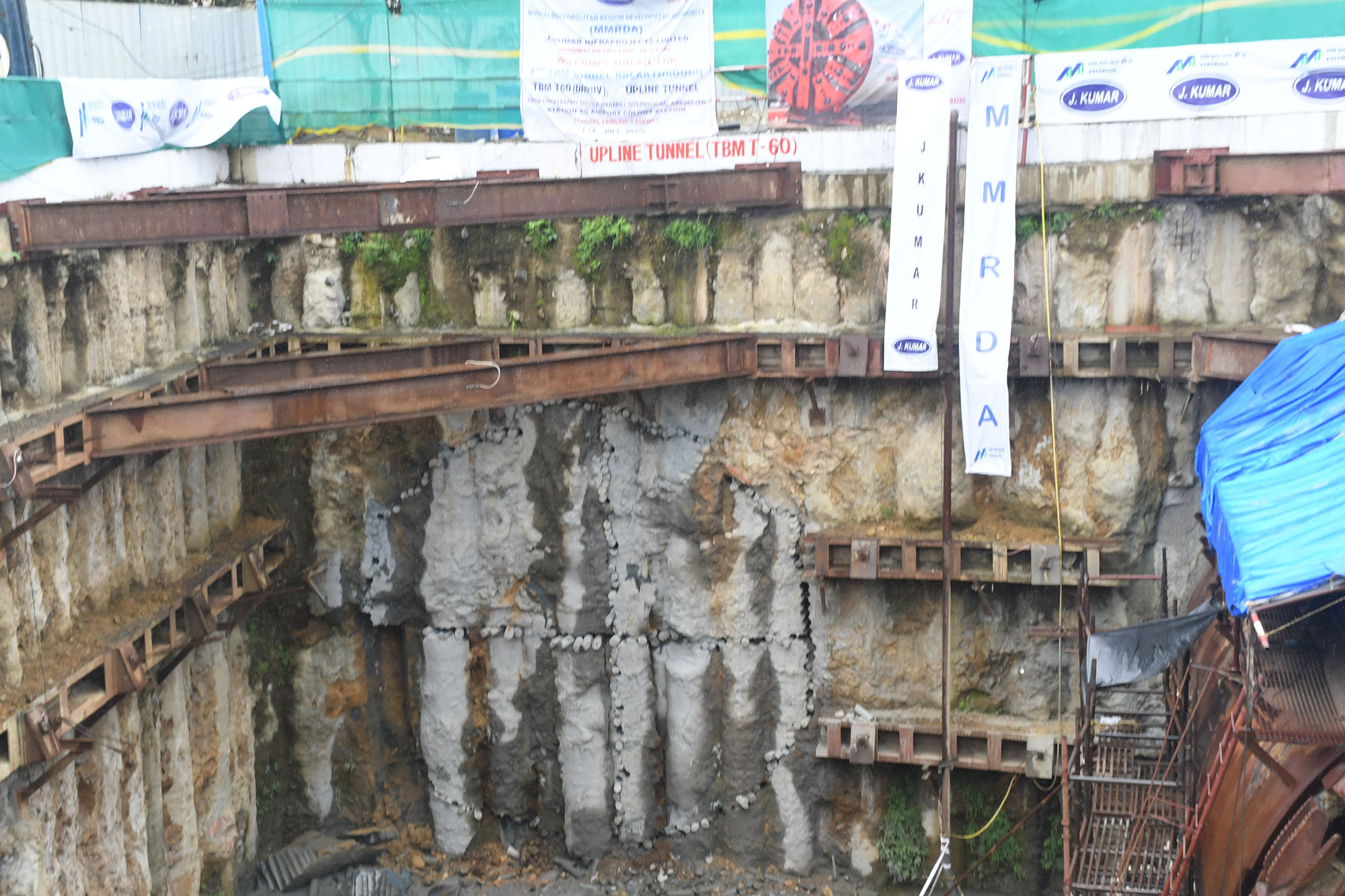
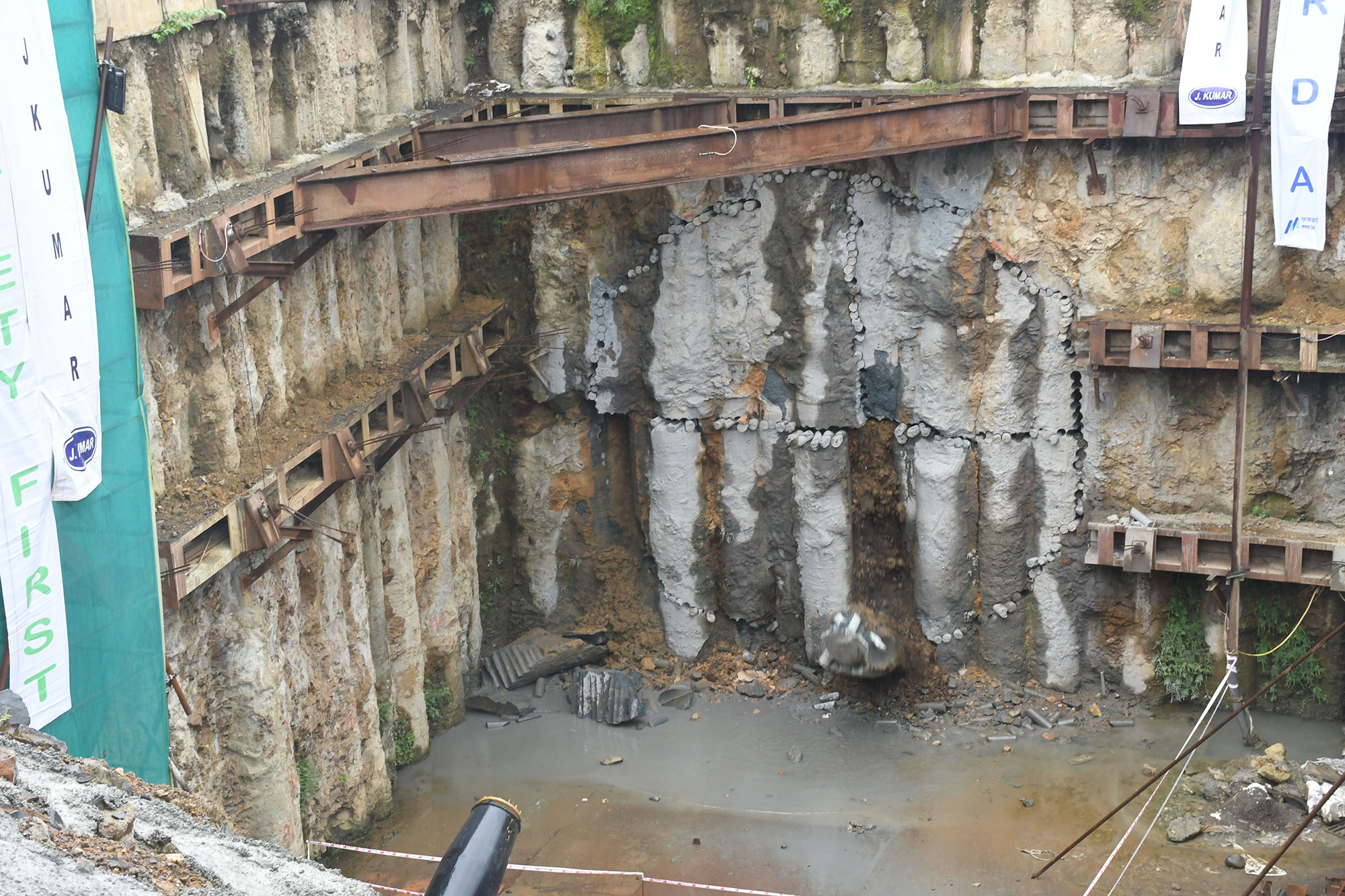
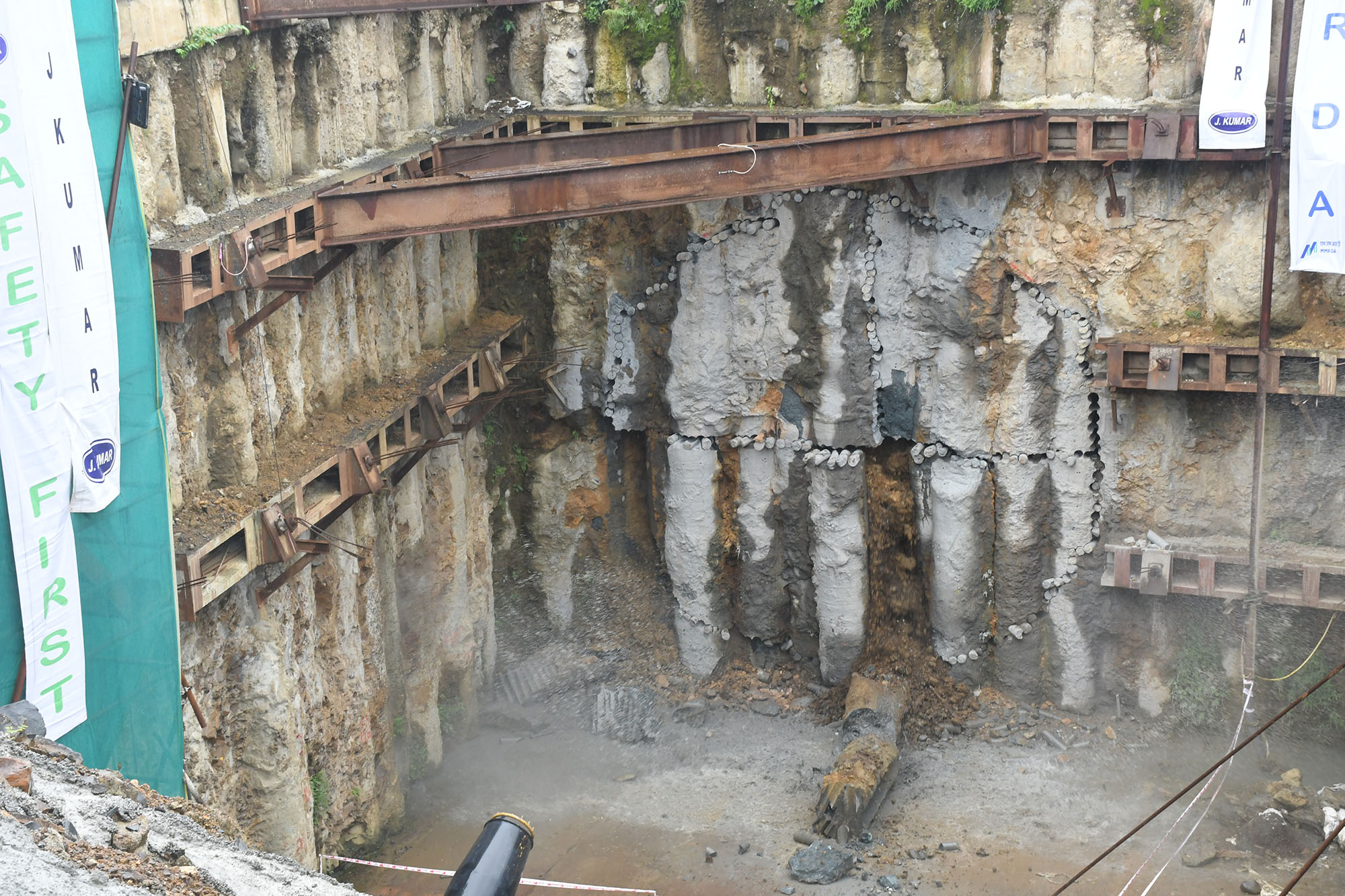
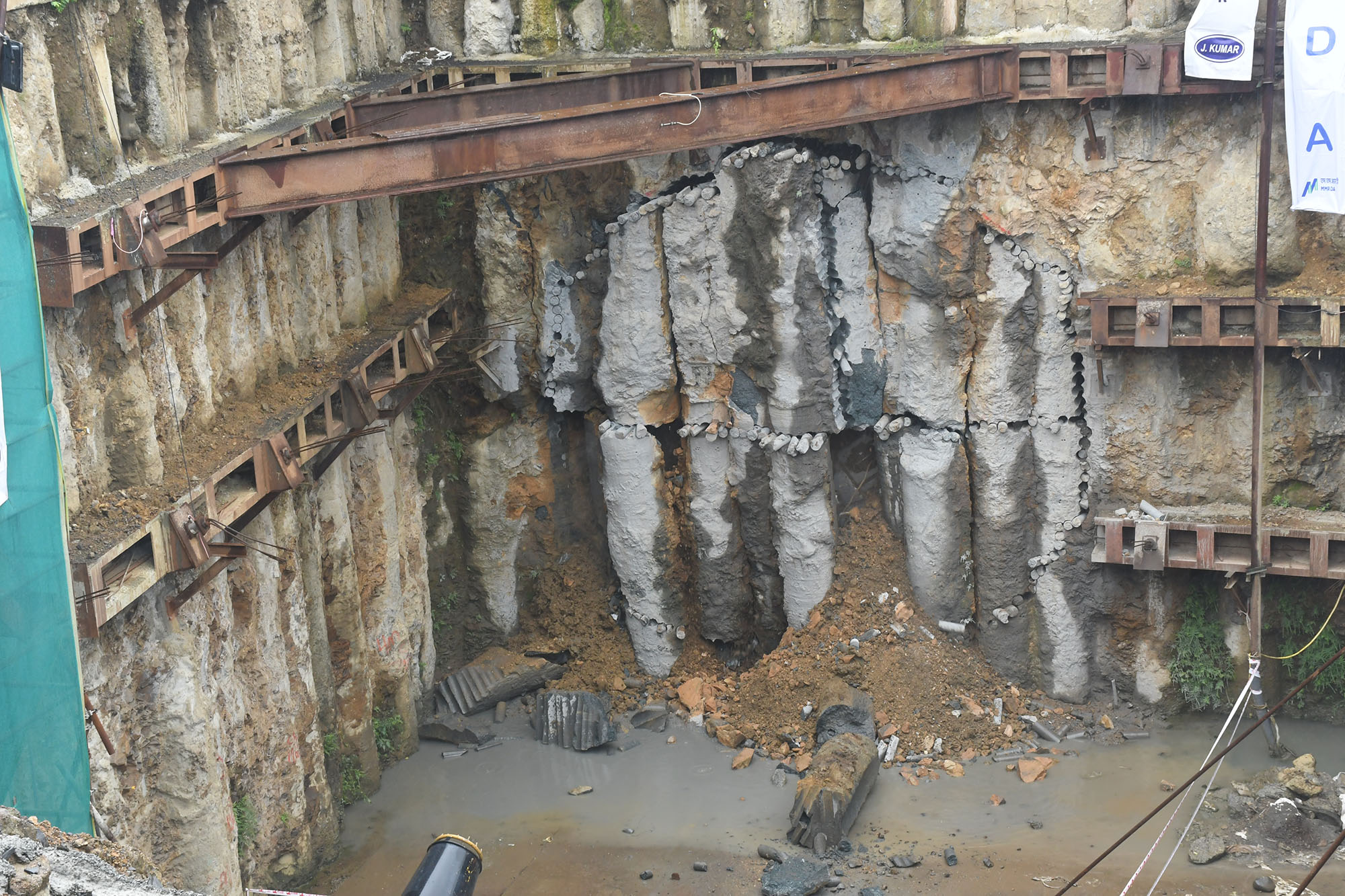
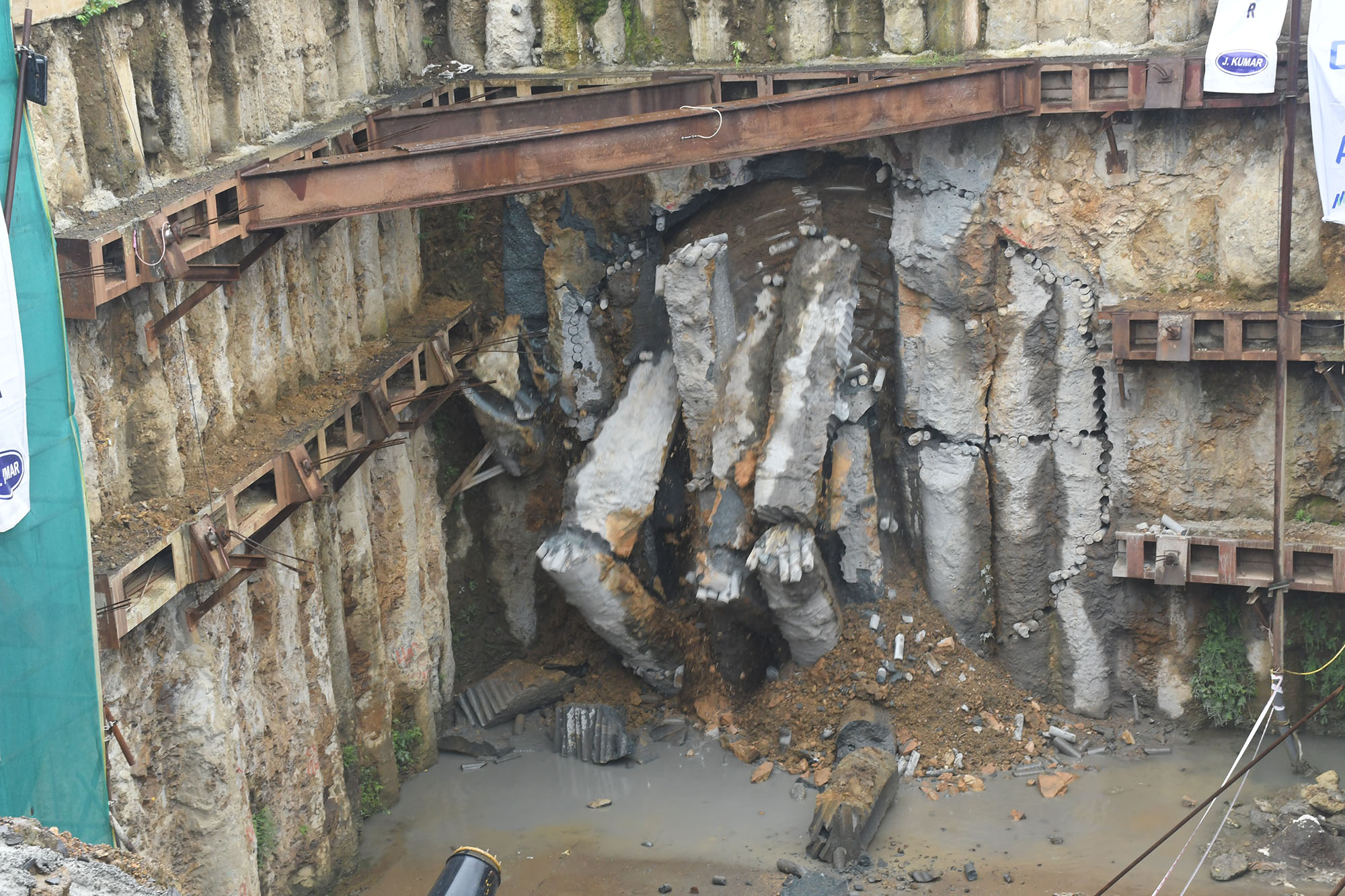
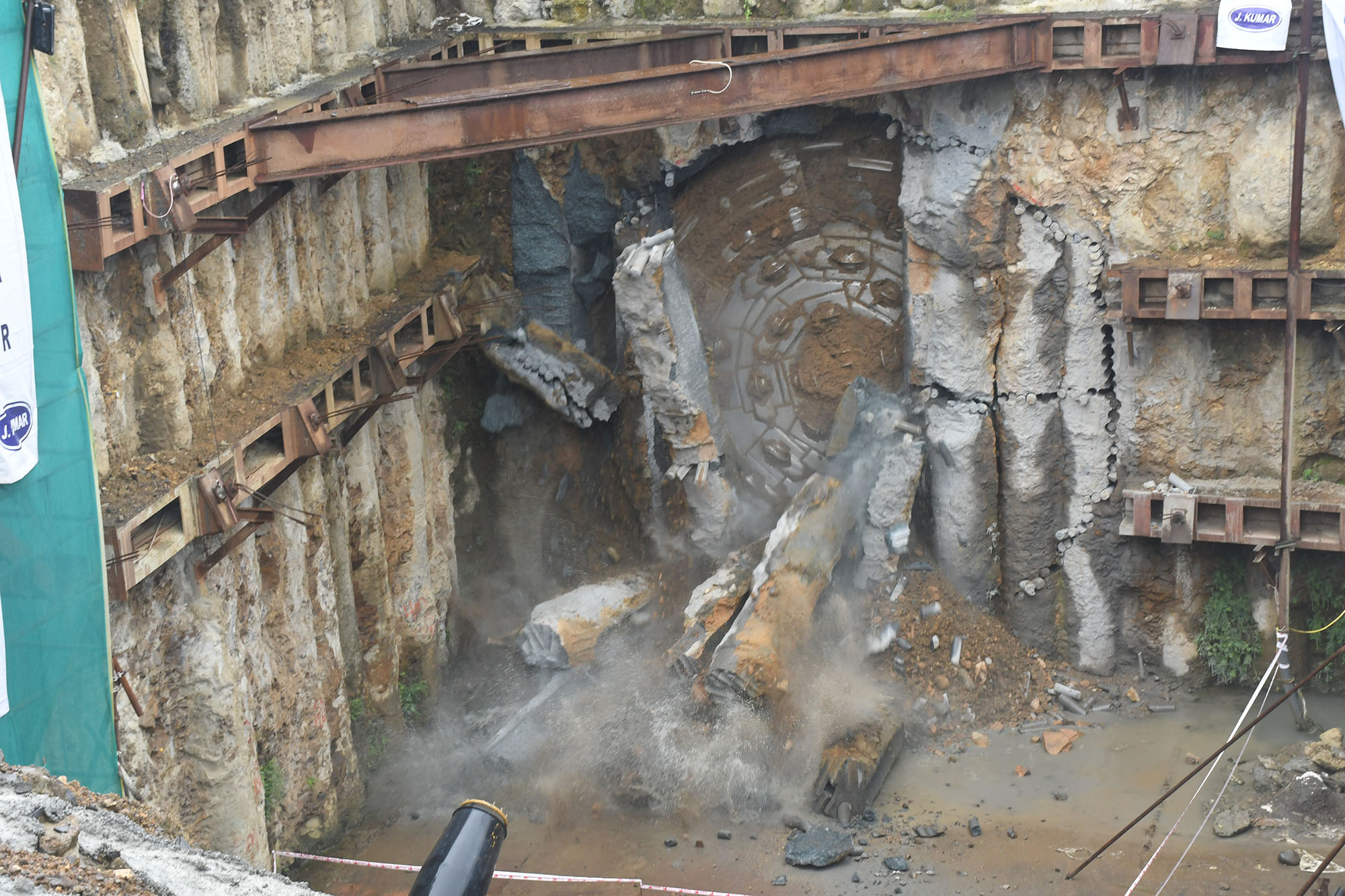
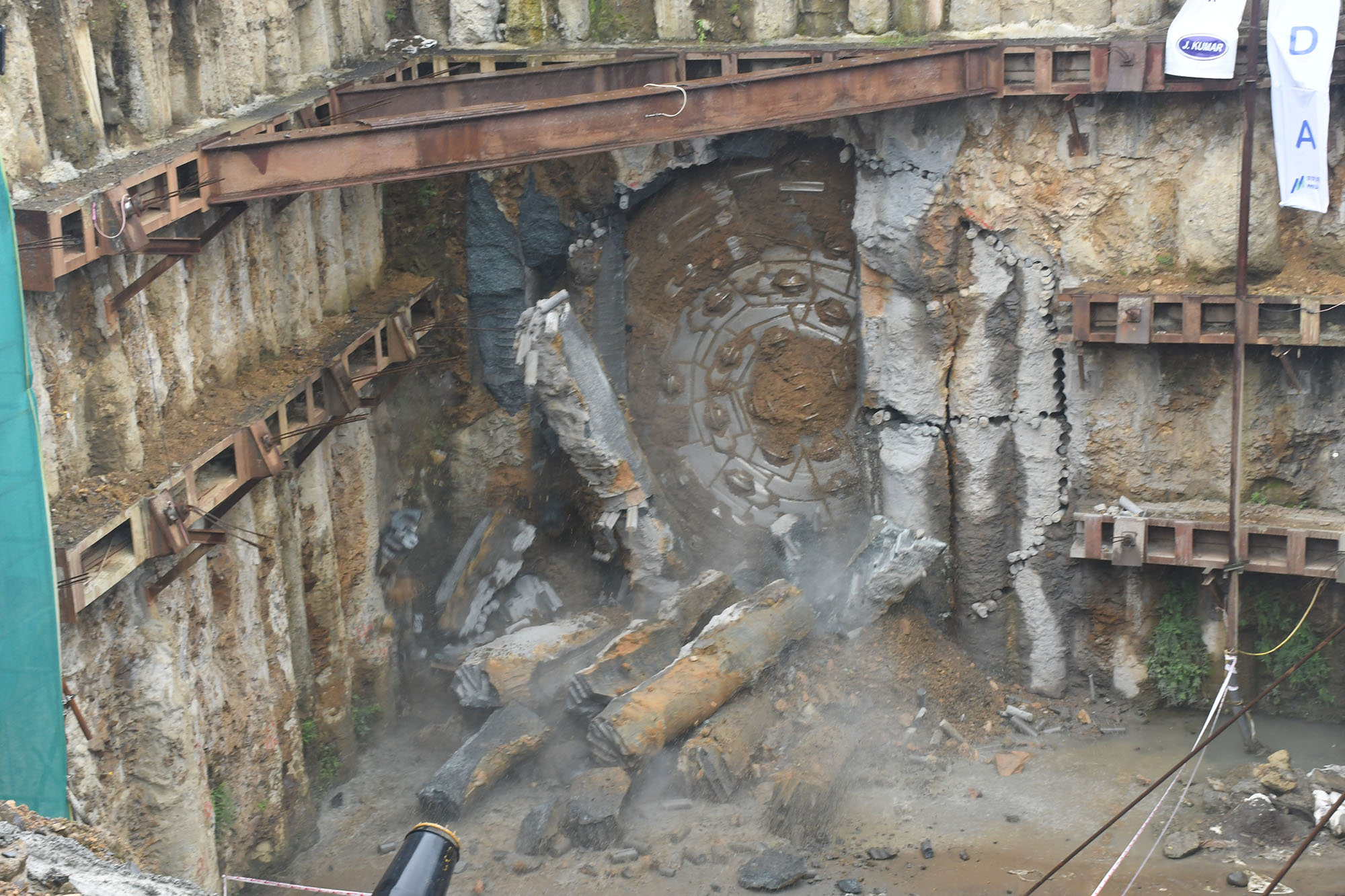
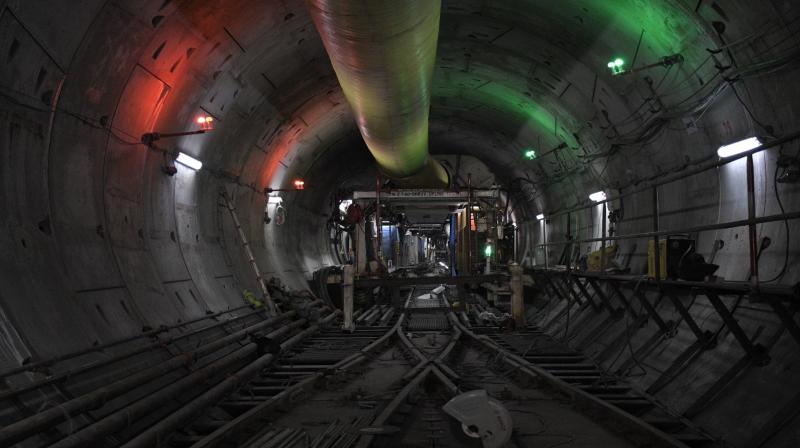
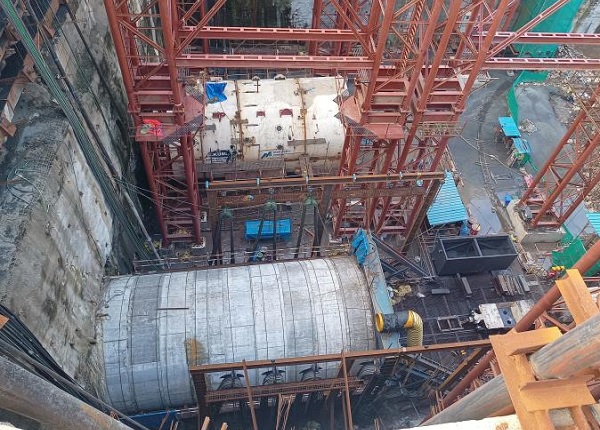
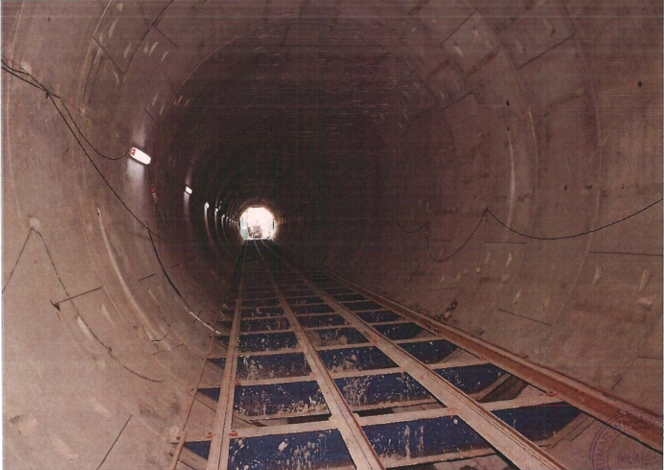
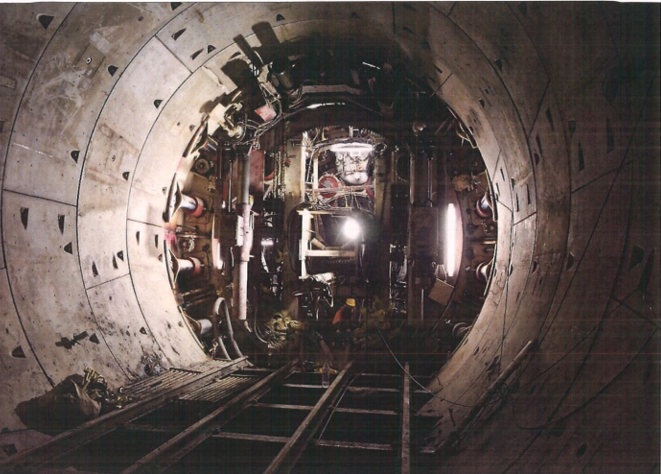
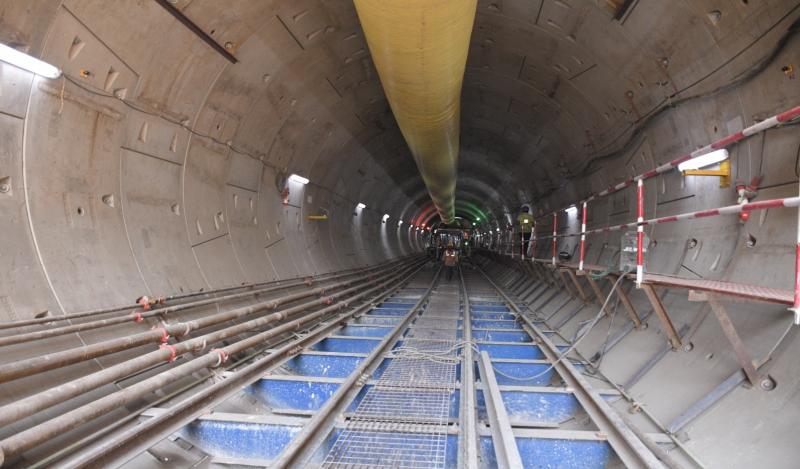
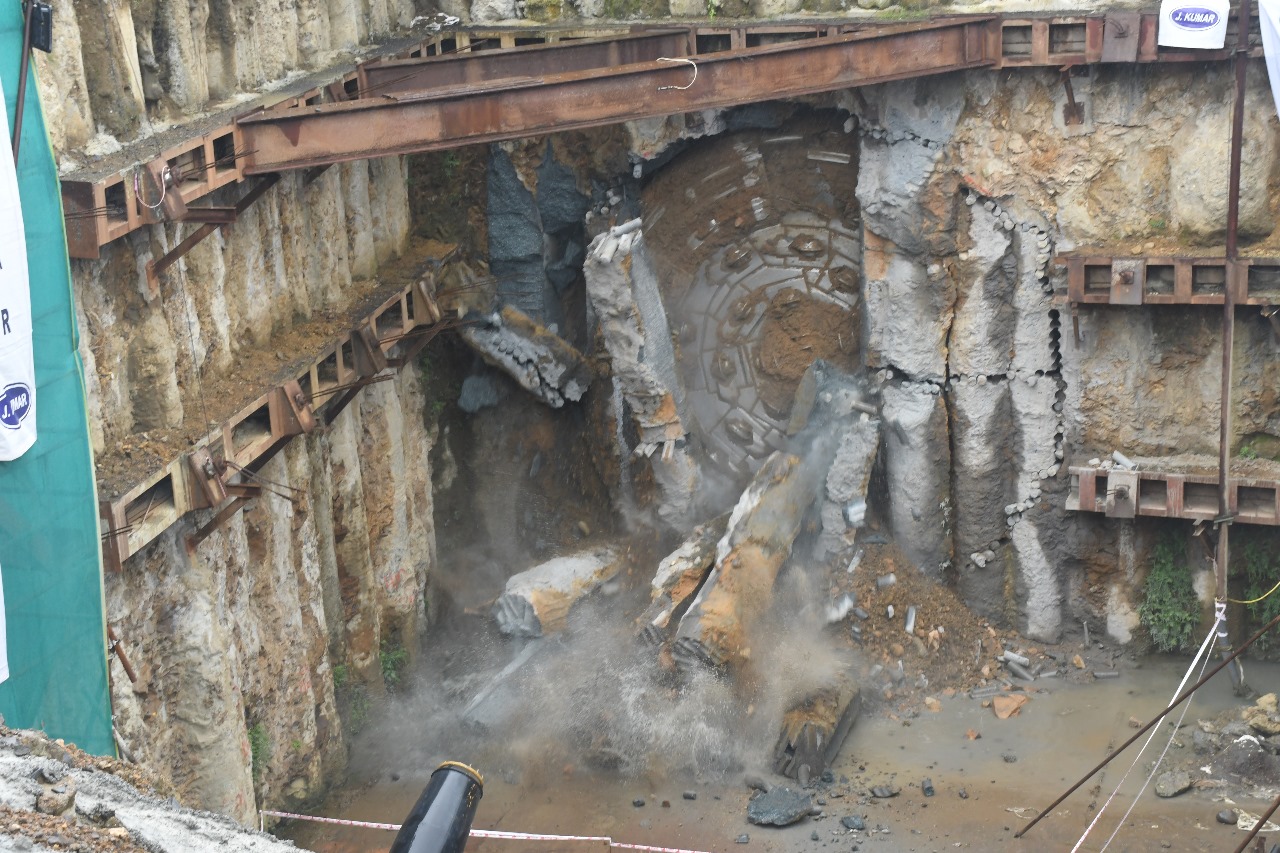
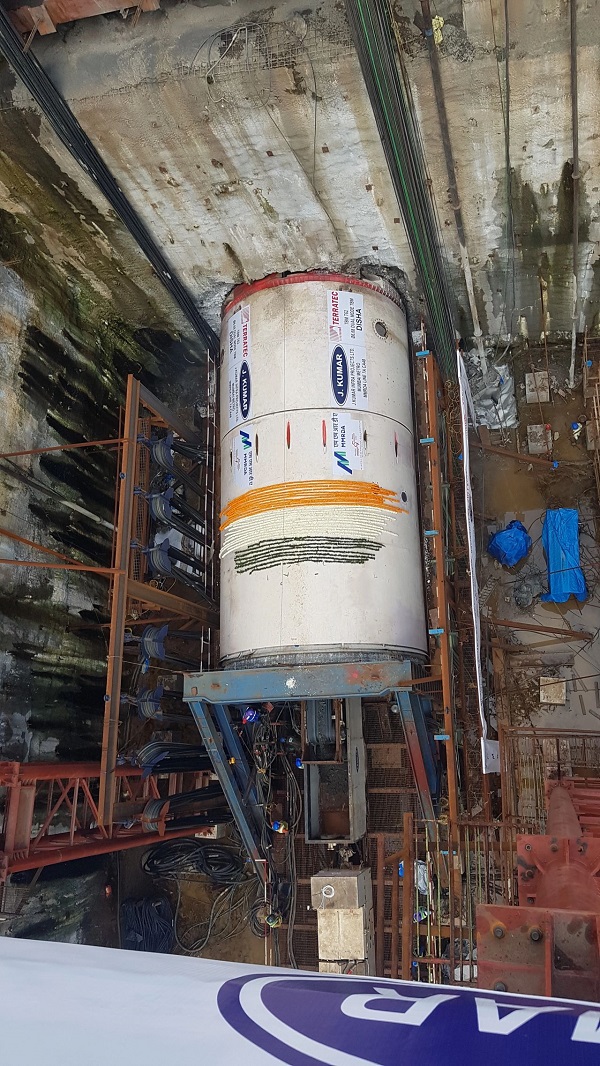
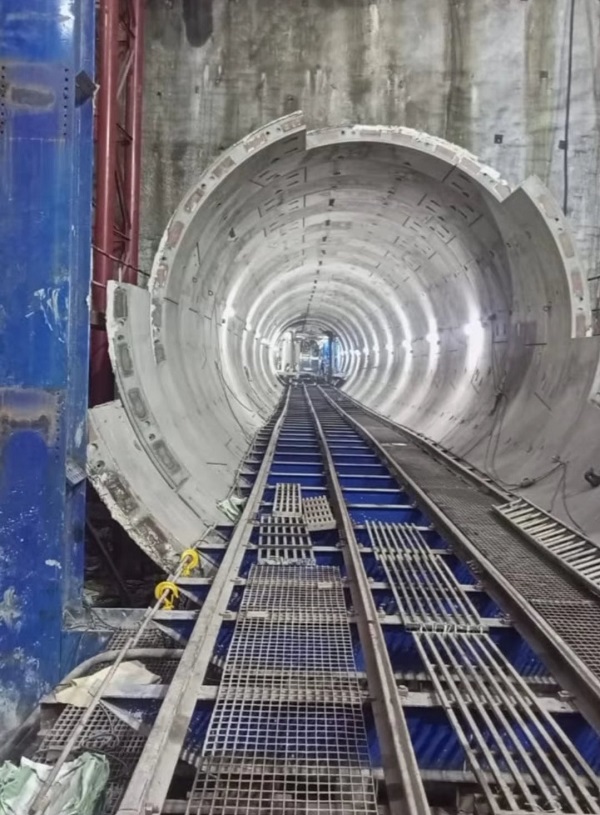
Mumbai Metro Lines 7A and 9 are vital components of the city’s expanding metro network, designed to enhance east-west and north-south connectivity in the western suburbs. Metro Line 7A is a 3.8 km underground extension of the operational Metro Line 7 (Dahisar East to Gundavali), connecting Andheri East to Chhatrapati Shivaji Maharaj International Airport (T2). This underground stretch will feature two stations and provide direct metro access to the airport, easing congestion on the Western Express Highway and offering crucial interchange points with Metro Lines 1, 2A, and 7.
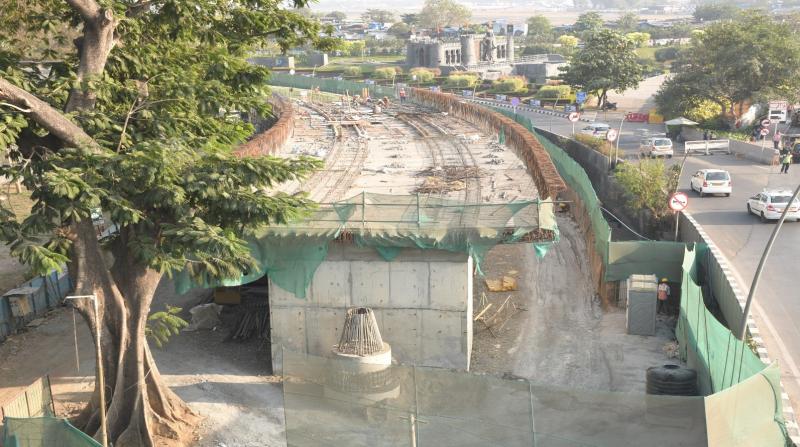
Metro Line 9 extends the network northwards from Dahisar East to Mira-Bhayandar, covering approximately 11.4 km. This elevated corridor will significantly improve access for commuters from the northern suburbs, linking them with the rest of the metro grid and reducing road traffic in high-density zones.
As the Lead Design Checker, the scope of responsibilities encompasses independent and comprehensive verification of all design outputs to ensure compliance with project specifications, applicable codes, safety standards, and regulatory requirements. This role involves critically reviewing structural, civil, architectural, and MEP design submissions—including drawings, calculations, models, and reports—submitted by the design consultant or contractor. Our role as The Lead Design Checker ensures technical accuracy, constructability, and coordination across disciplines, identifying potential design risks or clashes before construction. In collaboration with design leads and stakeholders, they issue design review comments, validate revisions, and maintain a rigorous quality assurance process throughout the design lifecycle. The position is pivotal in safeguarding design integrity, enhancing buildability, and supporting the project’s successful delivery within cost, quality, and time objectives